
Koh Samui Culture
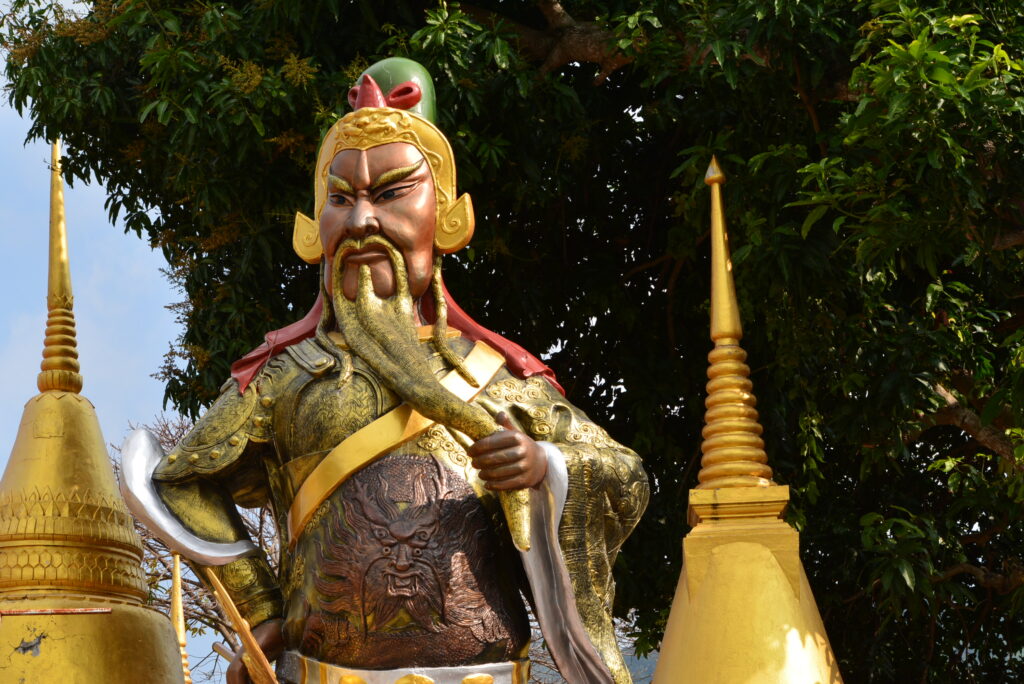
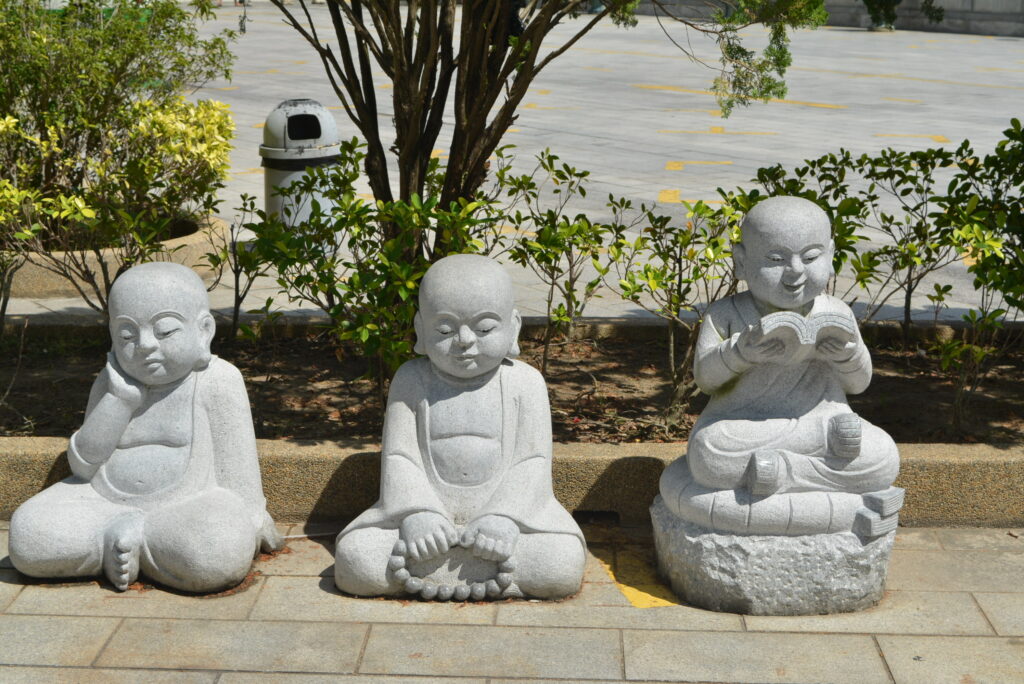
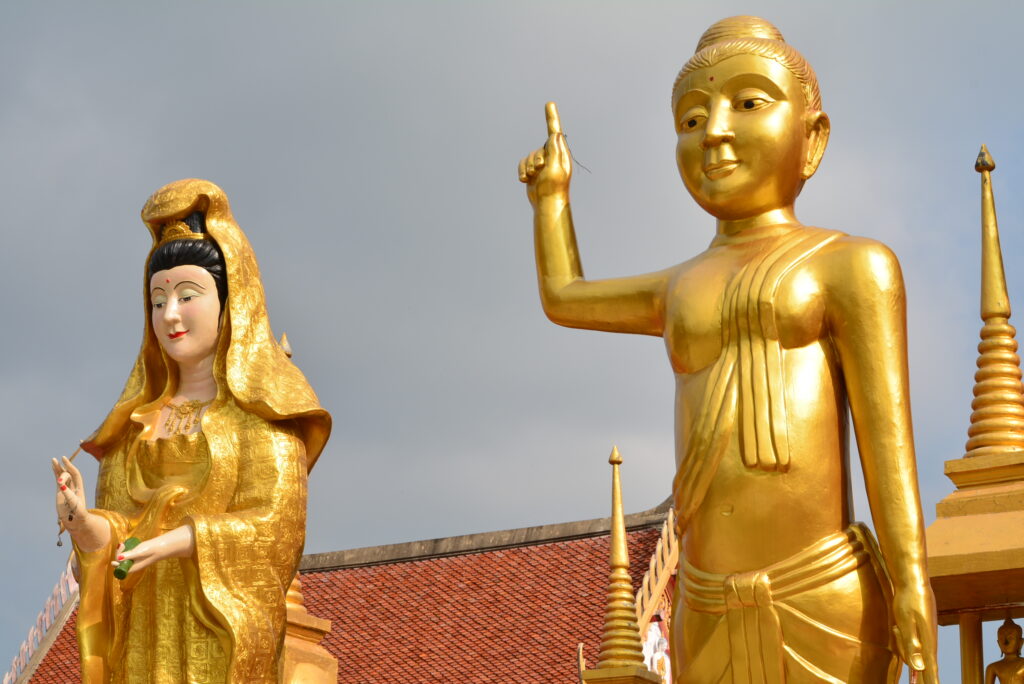
Wat Phra Yai
Beyond its beautiful beaches, Koh Samui offers a wide variety of sights and cultural experiences that reveal the island’s deeper character. These places invite reflection, appreciation, and a genuine connection with local culture.
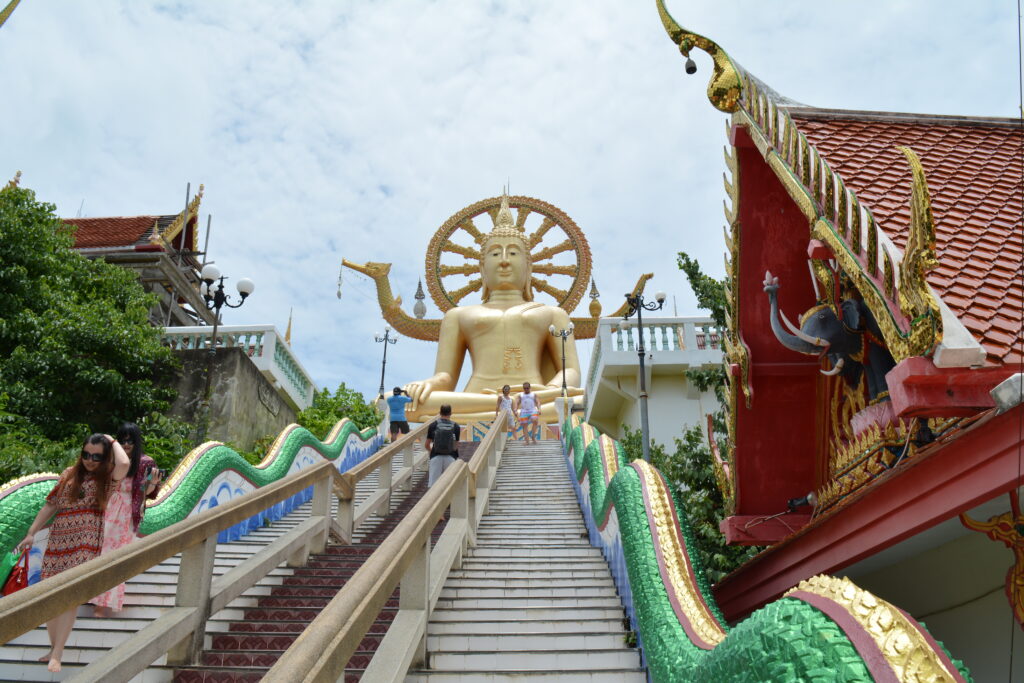
Big Buddha (Wat Phra Yai) in Koh Samui is one of the island’s most iconic spiritual landmarks and a beautiful embodiment of Thai Buddhist culture.
Built in 1972, the statue sits in the serene “Mara-subduing” posture — right hand touching the earth, left hand resting in the lap — symbolizing the moment the Buddha overcame temptation and achieved enlightenment.
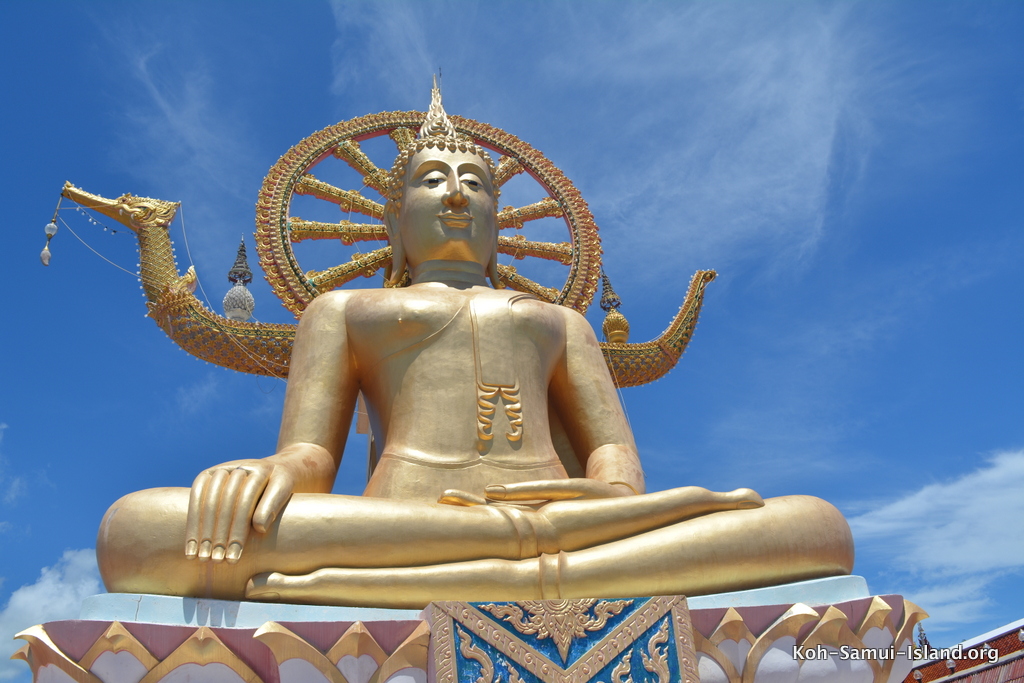
The upper deck overlooks the sea, offering peaceful panoramic views and serving as a reminder of mindfulness and inner strength.
Flanked by ornate naga (serpent) staircases and traditional temple architecture blending Buddhist, Brahmin, and local elements.
Wat Phra Yai remains an active place of worship for locals while welcoming respectful visitors.
In Koh Samui’s vibrant cultural tapestry, Big Buddha represents the deep-rooted Theravada Buddhist faith.
Theravada Buddhism continues to shape island life, festivals, and values amid modern tourism.
A visit here offers a quiet moment of reflection and a genuine glimpse into Samui’s spiritual heart.
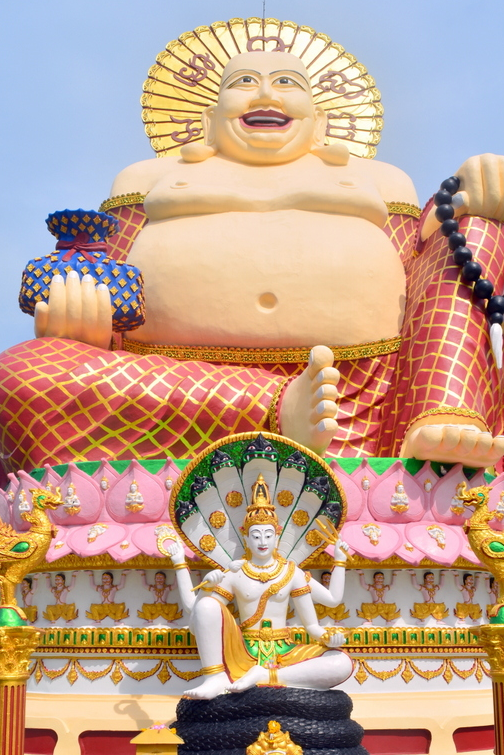
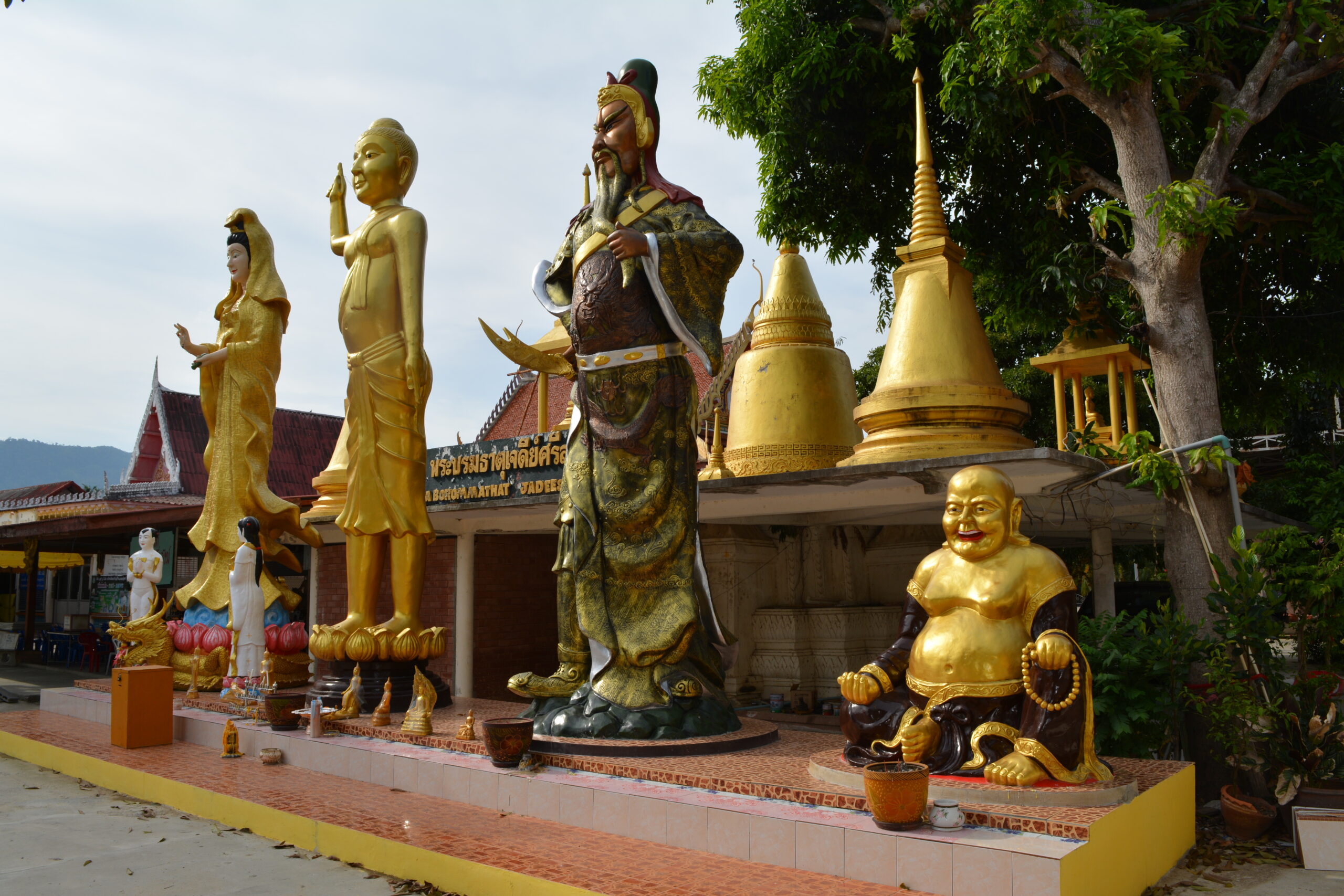
Laughing Buddha Wat Plai Laem
Just a short drive from Big Buddha, you can visit Wat Plai Laem.
Wat Plai Laem is a vibrant modern Buddhist temple on Koh Samui’s northeastern coast.
Built in 2004, it beautifully blends Thai and Chinese architectural styles, reflecting the island’s rich cultural fusion.
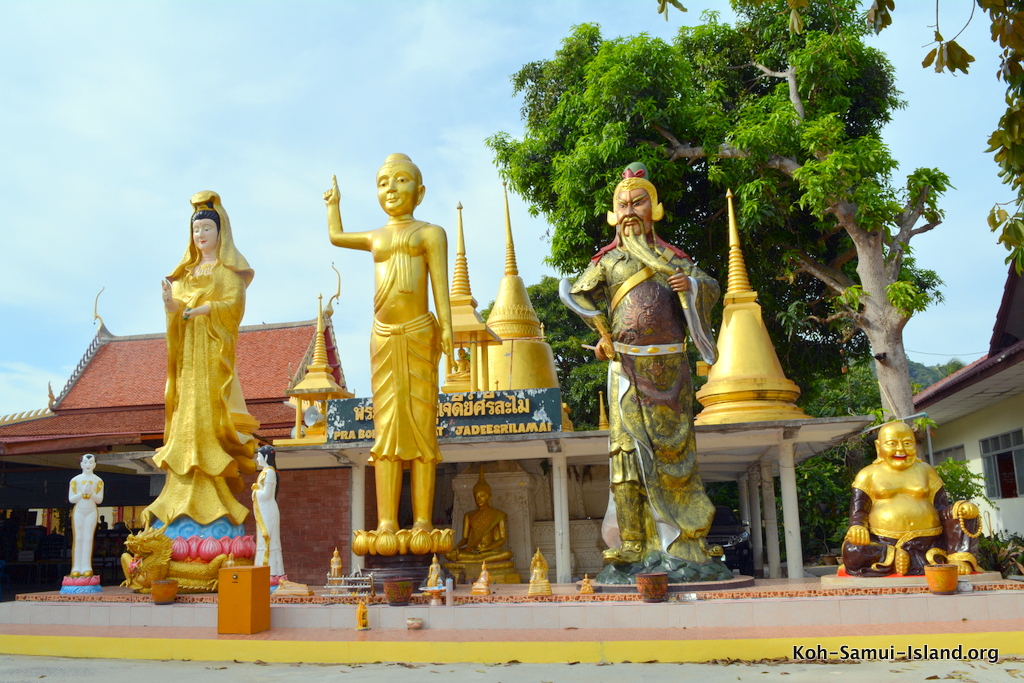
The temple’s highlight is the striking 18-armed statue of Guanyin (the Goddess of Mercy and Compassion), standing gracefully over a serene lake.
Nearby, a large white statue of Budai (the Laughing Buddha) symbolizes joy and prosperity.
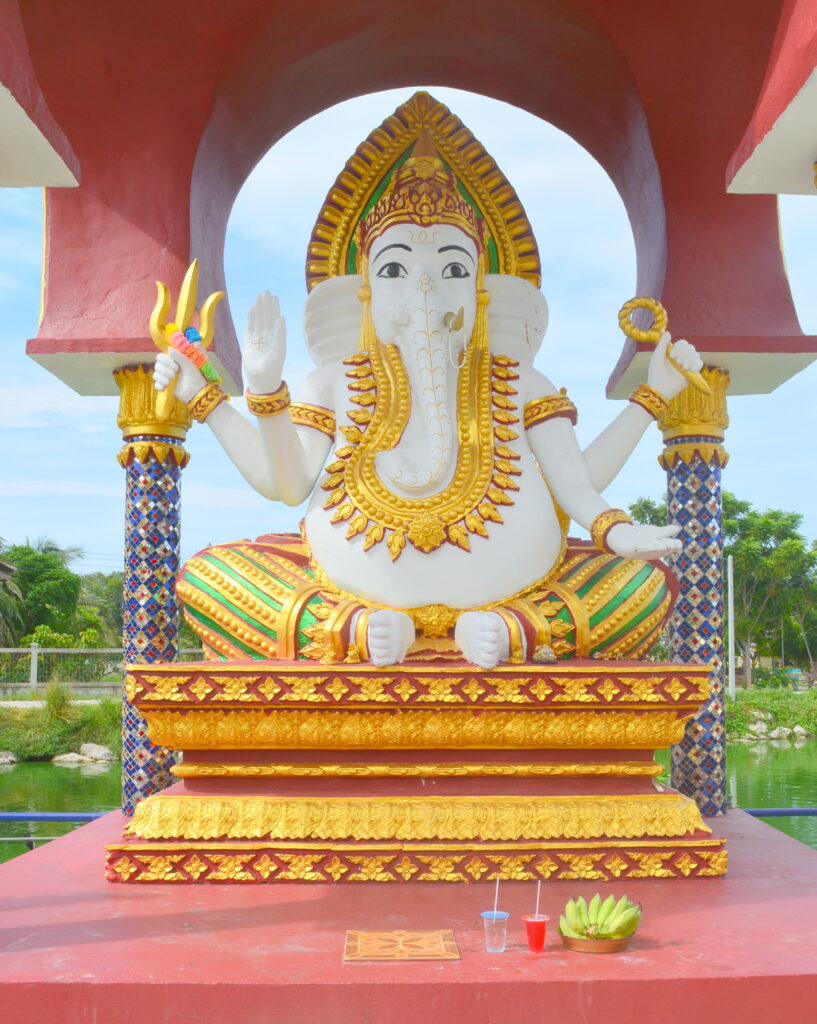
Colorful pavilions, smaller shrines to Hindu deities like Ganesha, and peaceful surroundings make it both spiritually uplifting and visually captivating.
Wat Plai Laem offers a wonderful glimpse into Koh Samui’s harmonious mix of Theravada Buddhism and Chinese-Mahayana influences.
Lamai Temple
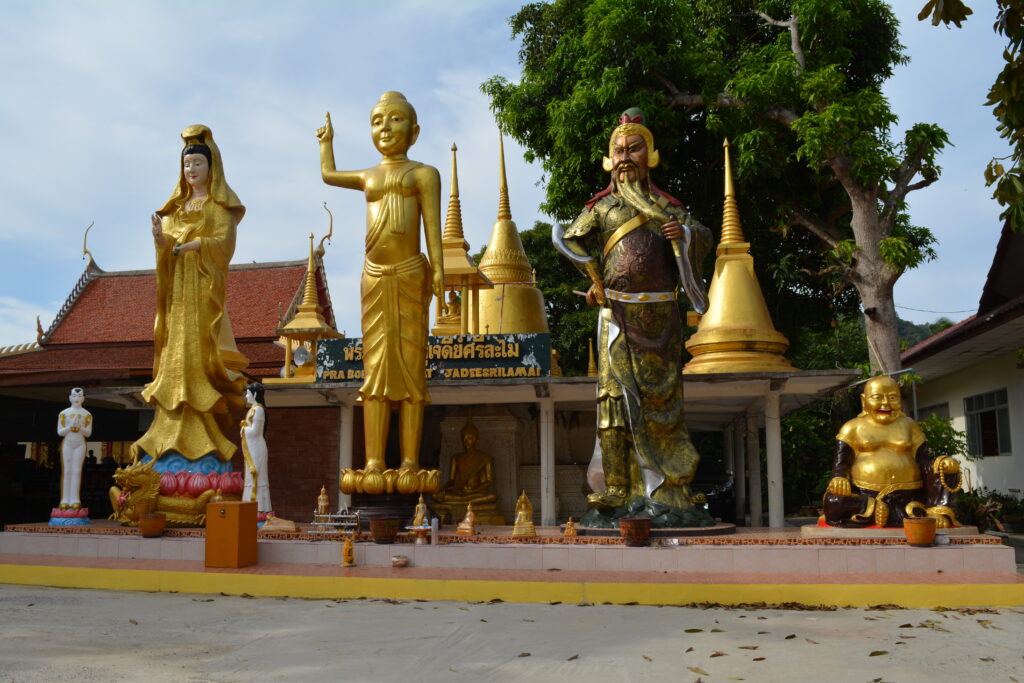
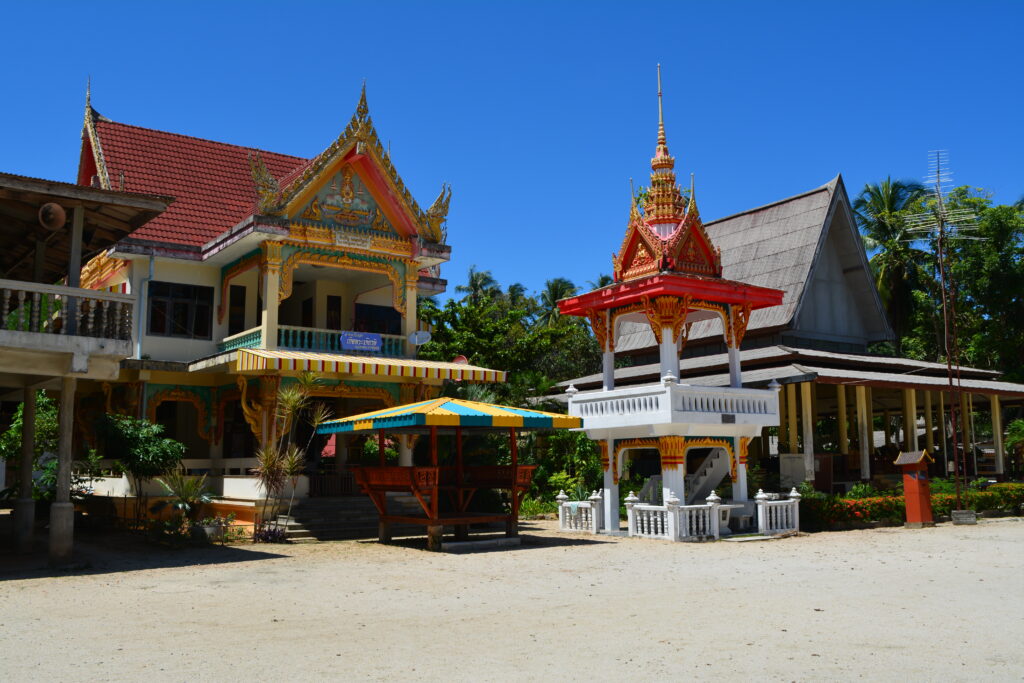
Wat Lamai, also known as Wat Srisoonthorn, is a traditional Thai temple located in Tambon Maret, Lamai area of Koh Samui.
The temple features classic Thai architecture with a main ordination hall (ubosot), a large Buddha statue, and several smaller religious buildings. It is a peaceful place where local residents come to make merit, offer food to monks, and participate in religious ceremonies.
The grounds are simple and well-maintained, with shaded areas that make it suitable for quiet reflection.
Situated right in the heart of Lamai, Wat Lamai provides an authentic glimpse into everyday Buddhist life on the island. It is less visited by tourists than Big Buddha or Wat Plai Laem, which makes it feel more genuine and community-focused.
Fisherman’s Village
Fisherman’s Village in Bophut, Koh Samui, is a charming old seaside settlement that beautifully preserves the island’s traditional charm.
Once a quiet fishing community, its wooden shop-houses and rustic architecture now house trendy boutiques, art galleries, restaurants, and cafés.
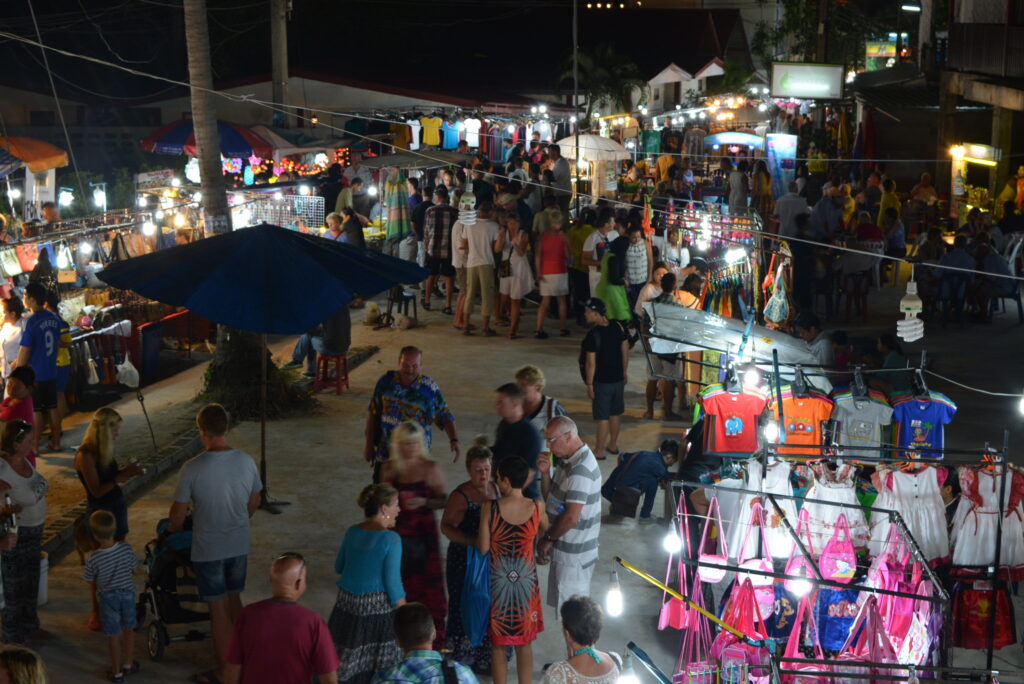
By day, it feels relaxed and nostalgic, while at night, it transforms into a lively yet laid-back walking street filled with lights, music, and delicious street food.
Fisherman’s Village perfectly blends Samui’s old fishing heritage with modern bohemian vibes, making it one of the most atmospheric spots on the island.
Around the Island
The Hin Ta and Hin Yai (Grandfather and Grandmother Rocks) on Lamai beach tell a local legend and offer dramatic coastal scenery.
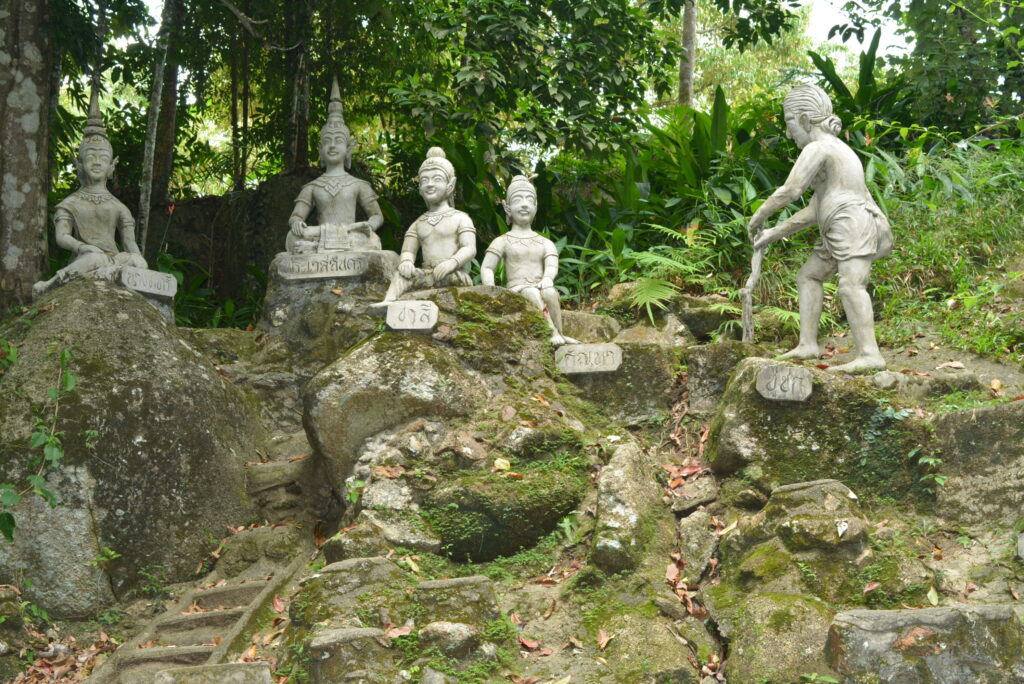
A short drive inland leads to Ta Nim’s Secret Garden, a lush, artistic sculpture park nestled in the hills that feels intimate and peaceful.
Waterfalls provide gentle nature escapes. Na Muang 1 and 2 are reachable with short, manageable walks and feature refreshing pools surrounded by jungle.
For those preferring wildlife observation without riding, the Samui Elephant Sanctuary focuses on rescue and ethical viewing.
A boat trip to Ang Thong National Marine Park is highly recommended.
Ang Thong National Marine Park stands out as one of the best day trips. The boat ride itself is part of the experience, and the islands offer a different landscape from Samui.
The viewpoints give a clear picture of how the Gulf of Thailand looks from above. Kayaking in the calmer bays is a good way to see the area more closely without too much effort.
The archipelago of 42 islands features emerald waters, limestone formations, and viewpoints that showcase the raw beauty of the region.
Local night markets in Chaweng and Lamai are good for Thai street food, fresh fruit, and soaking up the atmosphere.
These experiences can be done at your own pace and do not need to feel busy or tiring. They provide a mix of natural beauty and cultural interest that adds value to life on the island.
Many people find that these sights help them feel more connected to Koh Samui. A morning at a temple, an afternoon at a waterfall, or a walk in Fisherman’s Village can become regular parts of weekly routines. They offer a balance to days that might otherwise be spent only at the beach or working.
Island culture
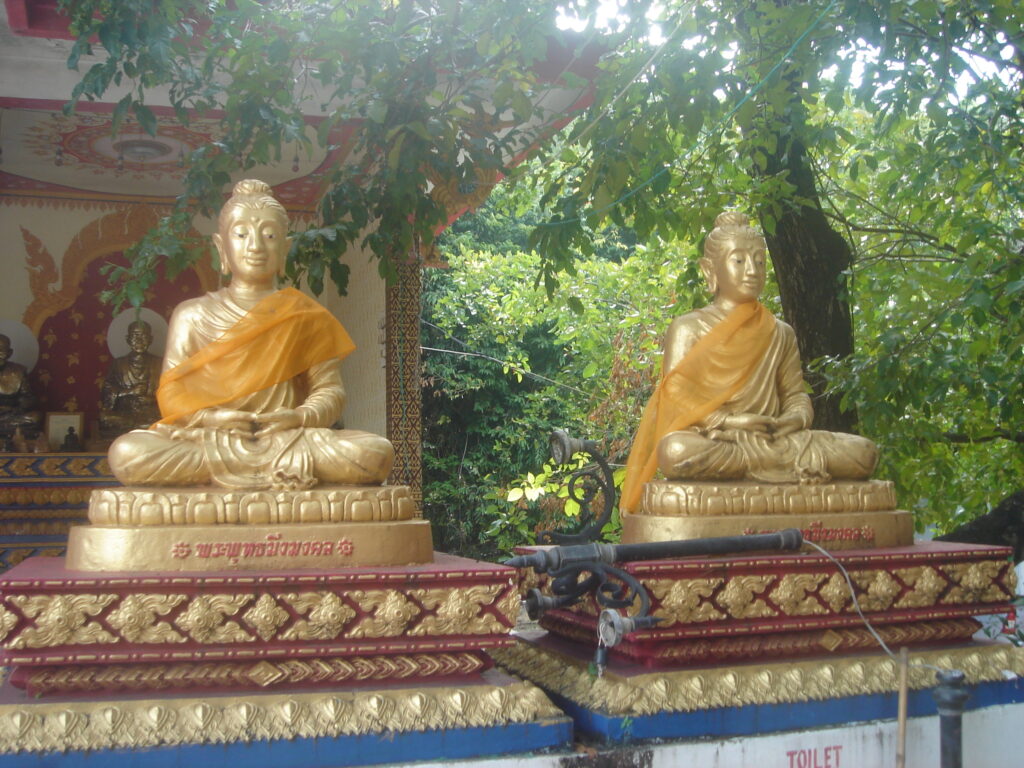
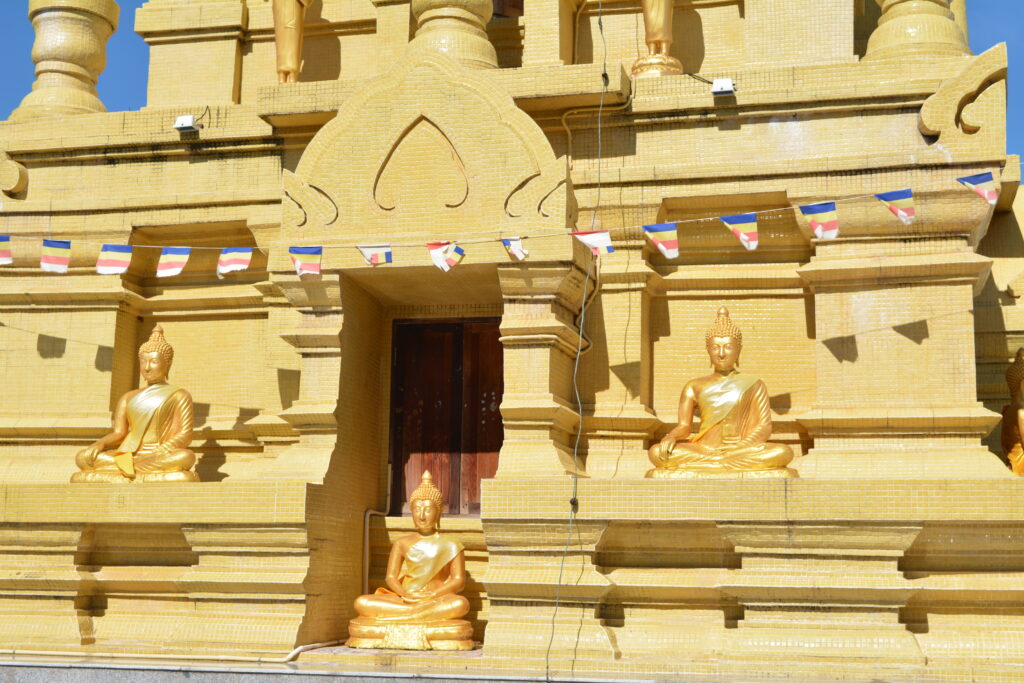
The island’s culture is a blend of Thai Buddhist traditions and local island life. Visiting temples gives a sense of the religious practices that are still important to many residents.
Nature spots like waterfalls and the marine park highlight the environment that makes Samui attractive in the first place.
For longer-term residents, these places become more than tourist attractions. They turn into familiar spots that support a balanced lifestyle.
Some people visit the Big Buddha for a quiet start to the week. Others use the walking street in Bophut as a place to meet friends.
Next post> Wellness and Everyday Activities on Koh Samui – Living Well in the Tropics
Get in touch: [email protected]
call us on 0839499398
ref: Timeless Sights and Cultural Experiences on Koh Samui – Discovering the Island’s Soul