

Visas, Healthcare, and Everyday Costs
Making Koh Samui your long-term home is an exciting step, but it requires attention to several practical matters. The good news is that the island has developed clear systems and support options in key areas such as visas, healthcare, and daily expenses.
With proper planning, the transition from visitor to resident can be smooth and manageable.
Thailand offers several visa options suitable for people planning an extended stay on Koh Samui. One of the most popular choices remains the Retirement Visa (Non-Immigrant O or O-A).
This visa is designed for individuals aged 50 and above who can meet certain financial requirements, such as a minimum monthly income of around 65,000 THB or a deposit of 800,000 THB in a Thai bank account.
The visa is initially granted for one year and can be extended annually.
Visa Options
For younger professionals and remote workers, the Long-Term Resident (LTR) visa has become a strong option in 2026. This visa can provide up to 10 years of stay, split into five-year renewable periods. It targets remote workers, high-skilled professionals, and wealthy individuals who can show proof of income or assets. Many digital nomads and entrepreneurs on Koh Samui now use this route because it offers greater stability and fewer annual renewals compared to older visa types. Extensions are straightforward as long as all paperwork is kept up to date.
Other common options include the Education Visa (for those enrolled in Thai language or cooking schools), the Business Visa (for those setting up or working with a Thai company), and the Elite Visa, which offers long-term residency through a paid membership program. Each path has its own requirements, costs, and benefits, so it is important to choose the one that best matches your personal situation and long-term plans. Working with a reliable visa agent or immigration lawyer based on Samui is highly recommended to avoid mistakes or delays.
Healthcare
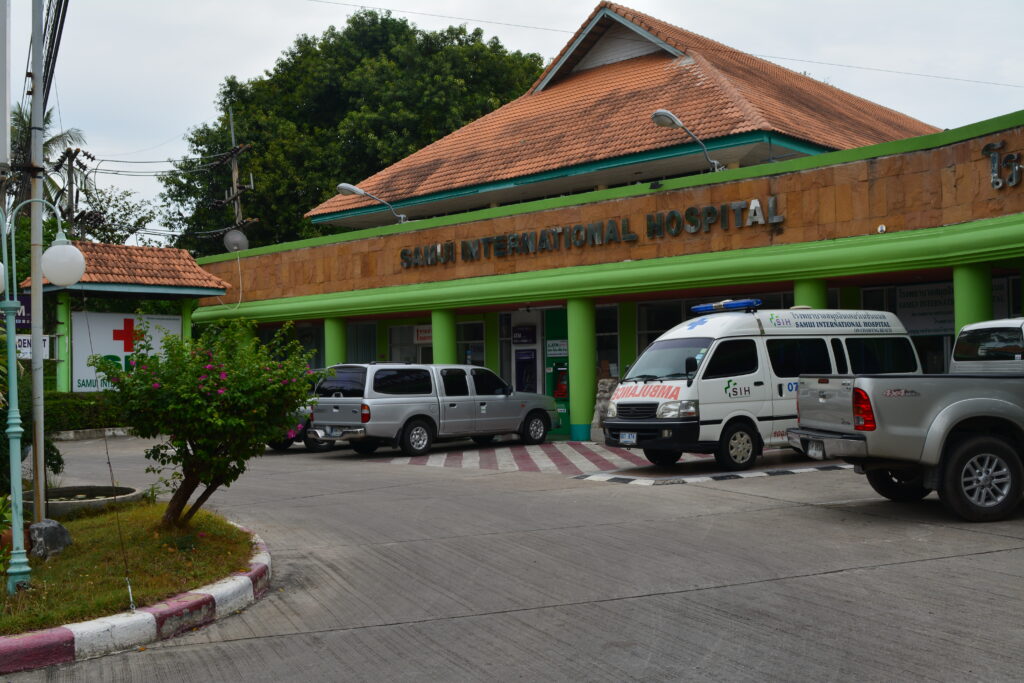
Healthcare on Koh Samui is excellent for a tropical island destination.
Bangkok Hospital Samui is the largest and most well-equipped private facility, offering international-standard care with English-speaking doctors and modern equipment.
Other good options include Samui International Hospital and smaller clinics spread across Chaweng, Bophut, and Lamai. Treatments and procedures generally cost significantly less than in Western countries while maintaining high quality. Common services such as dental work, check-ups, and minor surgeries are particularly affordable.
Most long-term residents arrange comprehensive international health insurance. Annual premiums typically range from $1,500 to $3,500 per person, depending on age, pre-existing conditions, and level of coverage. Many choose policies that include outpatient care, hospitalization, emergency evacuation, and dental benefits.
Pharmacies
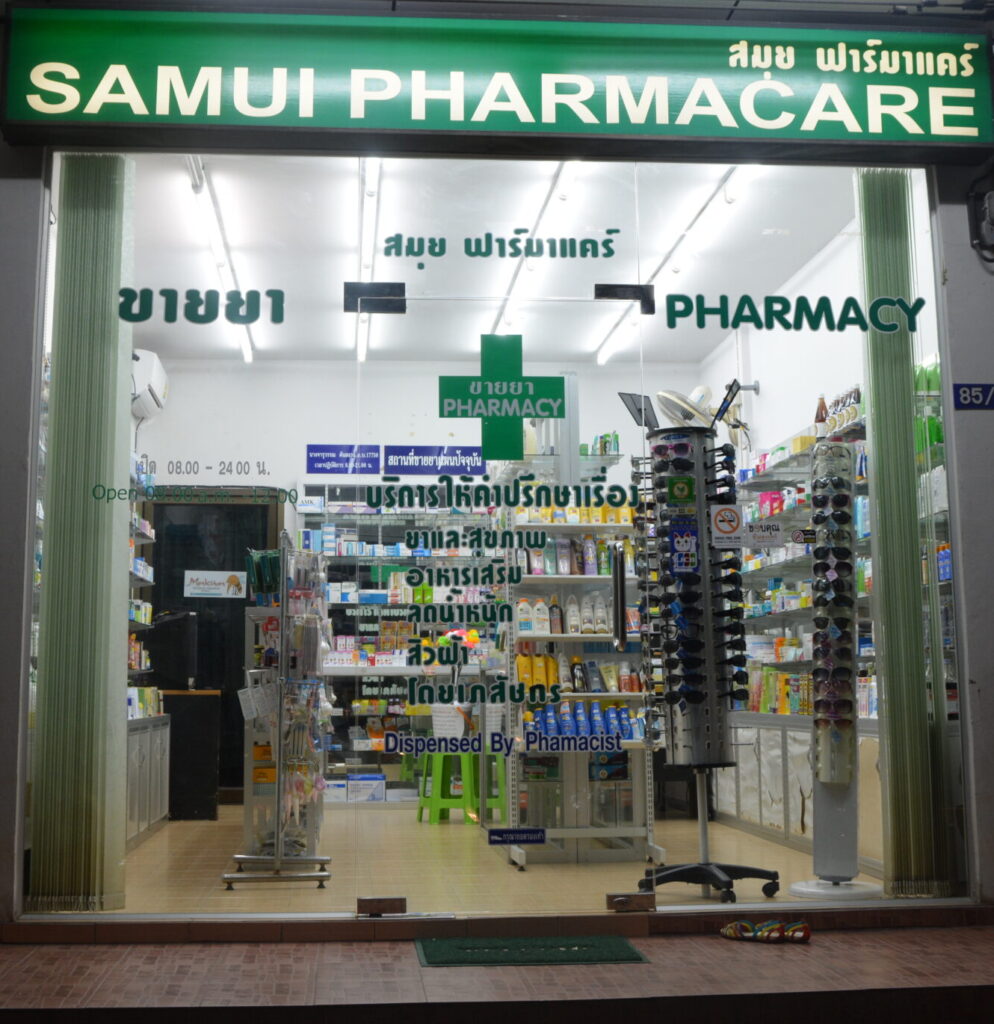
Pharmacies are widely available across the island, many medications that require prescriptions elsewhere can be obtained over the counter.
For serious or highly specialized cases, patients may be transferred quickly to Bangkok via air ambulance service.
Overall, healthcare is one of the strongest practical advantages of long-term living on Koh Samui.
Living Costs
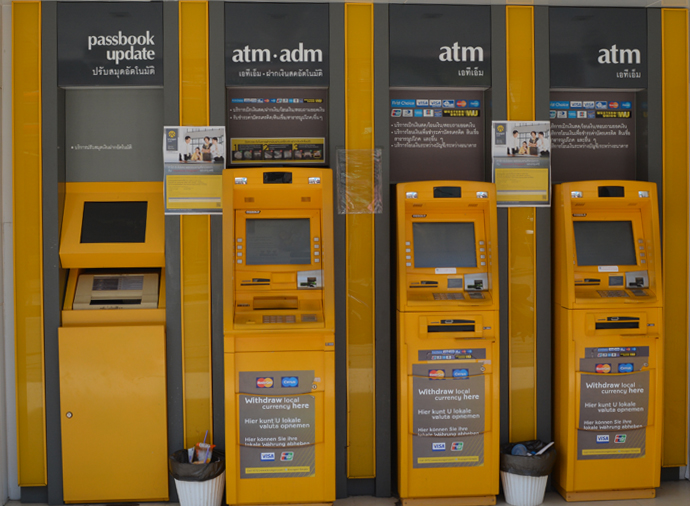
Everyday living costs on Koh Samui remain attractive in 2026, especially when compared to similar lifestyles in Europe, Australia, or North America. For a comfortable lifestyle for a couple living in a quality villa, realistic monthly expenses usually fall within the following ranges:
- Villa rental: 30,000 – 70,000 THB (depending on size, location, and whether it has a private pool)
- Food and dining (mix of home cooking and eating out): 15,000 – 30,000 THB
- Utilities, internet, and household expenses: 5,000 – 9,000 THB (electricity can be higher during the hot season due to air conditioning)
- Transport (scooter, car rental, or driver): 2,000 – 6,000 THB
- Health insurance and medical: 4,000 – 10,000 THB
- Activities, excursions, shopping, and miscellaneous: 10,000 – 25,000 THB
This brings the total monthly estimate to approximately 66,000 – 150,000 THB ($1,950 – $4,400 USD).
Many settled couples live comfortably toward the lower to middle end of this range once they are familiar with local options and have established routines.
Costs can be reduced by choosing a smaller home, cooking more meals at home, or using a scooter instead of a car.
Additional regular expenses to consider include housekeeping or gardening services (often 3,000–8,000 THB per month), property management fees if you own a villa, and occasional visa run or renewal costs.
On the positive side, there are no annual property taxes for renters, and the overall tax burden for most expats remains low.
Integrating
Several practical tips can help make long-term living on Koh Samui easier.
Learning basic Thai phrases for shopping, ordering food, and daily interactions is appreciated by locals.
Building relationships with reliable service providers — such as housekeepers, gardeners, scooter mechanics, and drivers — saves time and reduces stress. Many residents also recommend joining local Facebook groups where they can find trusted recommendations and second-hand items.
It is wise to plan for occasional travel. Many people return home once or twice a year to visit family or take short trips to other parts of Thailand or neighboring countries. These breaks help maintain a balanced lifestyle and prevent island fatigue.
With thoughtful preparation around visas, healthcare, and budgeting, Koh Samui can transition smoothly from a vacation destination to a genuine long-term home. The island combines natural beauty, modern convenience, and a relaxed pace that continues to attract people who value quality of life over the stresses of big-city living.


Thank you for following this series. Whether you are planning your move or have already settled on the island, Koh Samui offers a special balance that is hard to find elsewhere.
Get in touch: [email protected]
or call us: 0839 499 398
ref: Practical Guide to Long-Term Living on Koh Samui