


Buying a property on Koh Samui
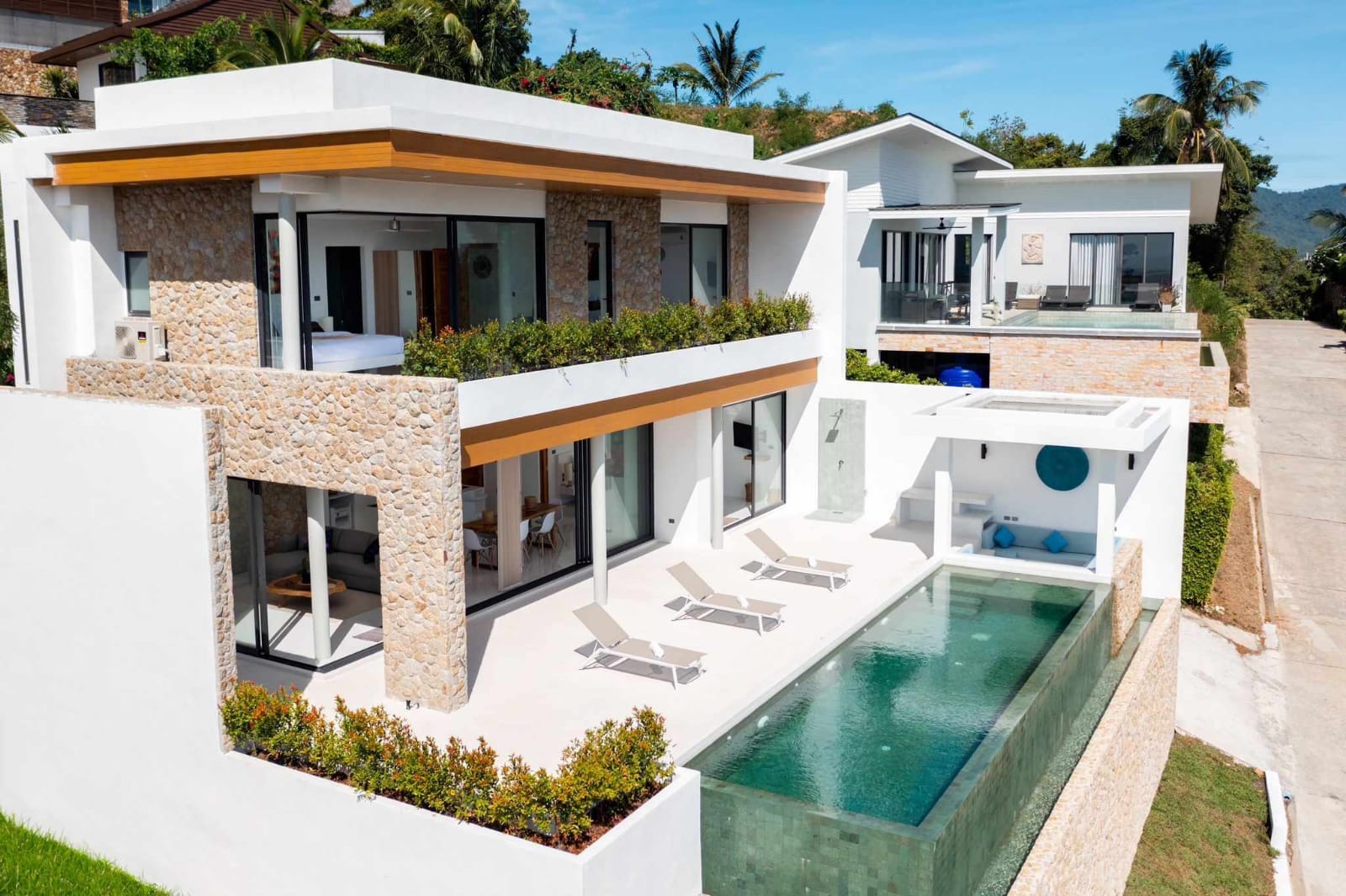
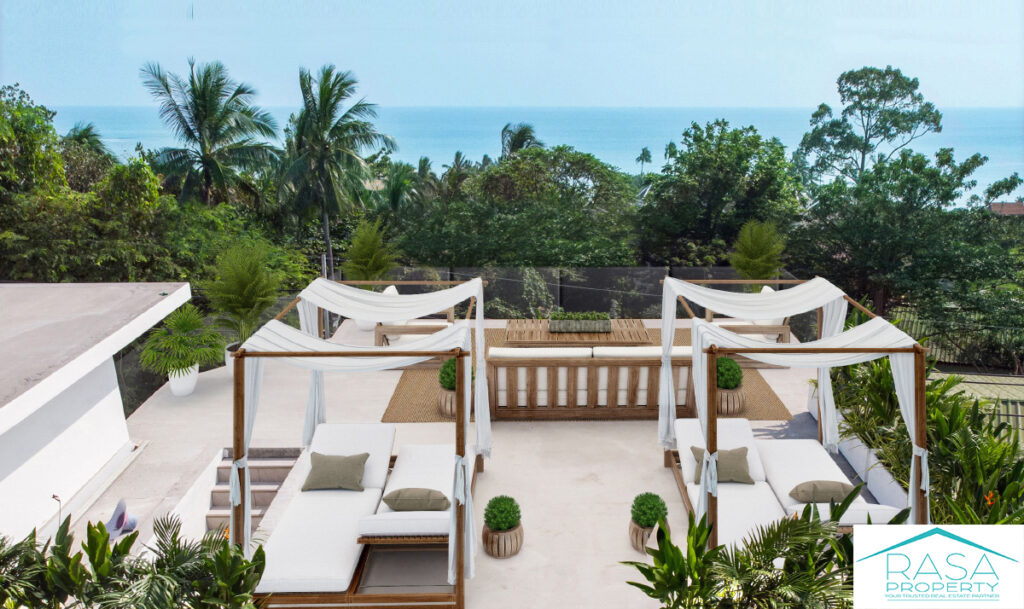
Buying a property on Koh Samui can be one of the most rewarding and life-changing decisions for anyone seriously planning a long-term stay on the island.
Beyond the obvious appeal of owning your own piece of paradise, it brings a sense of security, the potential for rental income, and a deeper personal connection to the place many eventually call home.
However, Thailand’s strict property laws for foreigners mean that careful planning, proper research, and professional guidance are essential.
Here is a clear, practical, and up-to-date guide to help you navigate the process confidently.
First and foremost, it is important to understand the legal framework.
Foreigners cannot own land outright in Thailand. This fundamental rule shapes all property transactions for non-Thai buyers.
Fortunately, several well-established and legal options allow foreigners to invest safely and enjoy the benefits of ownership.
The main legal options are:
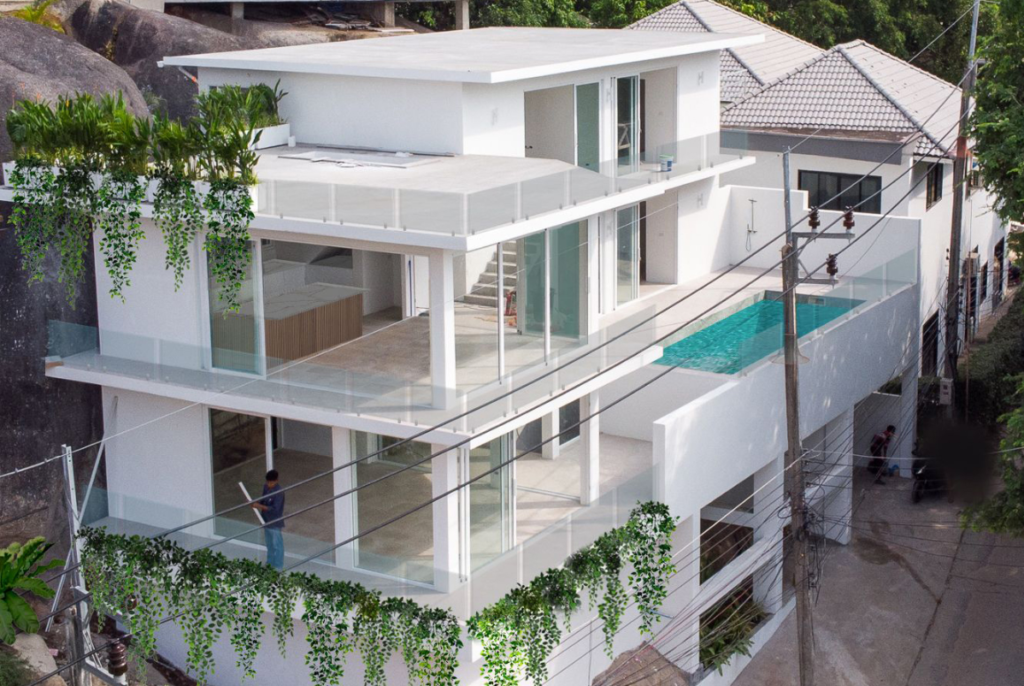
- Freehold ownership of a condominium unit — This is the most straightforward method. Foreign buyers can own the unit itself on a freehold basis, but there is a national limit: foreigners can own no more than 49% of the total sellable area in any single building. This option works particularly well for those who prefer low-maintenance living and want full ownership rights without complicated structures.
- 30-year leasehold on land with full ownership of the villa or house — This is currently the most popular choice for buyers wanting a standalone villa with a private pool and garden. You lease the land for 30 years (often with renewable options for additional periods, though these are questionable in law) while owning the building on top of it outright. Many developments offer structured renewal clauses that provide reasonable long-term security when properly drafted.
- Ownership through a properly structured Thai limited company — In this model, a Thai company owns the land and you own the majority shares in that company. This route requires careful setup and ongoing compliance with Thai company law. It should only be pursued with experienced professionals to avoid any risk of future legal complications.
The Koh Samui property market in 2026 remains solid and resilient. Limited land availability on the island, continuous infrastructure improvements (such as road upgrades and enhanced utilities), and sustained demand from international buyers have helped maintain steady interest, especially in well-located and high-quality residences.
Branded villa projects with professional on-site management have become particularly popular. These developments typically offer resort-style services, shared facilities like gyms and infinity pools, easier maintenance, and stronger rental potential — making them attractive for both personal use and investment.

The recommended process
A successful purchase usually follows a clear, recommended process. It starts with clarifying your personal priorities.
Do you want direct beach access, sweeping hillside views, proximity to shops and restaurants, or a quieter, more secluded setting?
Defining these preferences early helps to narrow down the options significantly.
Budgets for quality properties vary widely. Well-built 2- to 4-bedroom villas with private pools in desirable locations often range from 8 million THB for more modest options up to well over 20 million THB for premium hillside estates with panoramic views and luxury finishes.
Engage experienced and reputable professionals from the beginning. Work with established real estate agents who have a strong track record on the island and, crucially, hire an independent Thai lawyer who specializes in foreign property transactions.
Avoid relying solely on the developer’s or seller’s lawyer to ensure your interests are fully protected.
Due Diligence
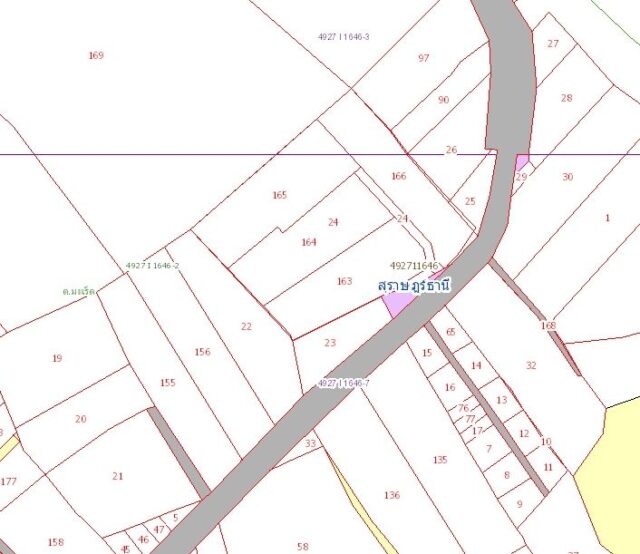
Thorough due diligence is non-negotiable.
This step protects you from future headaches. Your lawyer should verify the land title, with Chanote (Nor Sor 4) being the most secure and preferred type.
They will also check for any existing liens, mortgages, flood risks, environmental restrictions, or pending disputes. In 2026, with increasing development on the island, confirming zoning regulations and future infrastructure plans is also wise.
Once you have found the right property, you can proceed to sign the purchase agreement, usually paying an initial deposit of 10-20%. This is followed by arranging financing if needed (many buyers use international transfers or offshore financing).
The final step is the official transfer of ownership at the local Land Office. During this process, the buyer typically covers registration fees, stamp duty, and other taxes, which generally total between 2% and 4% of the property value.
After the keys are handed over, many new owners immediately set up professional property management. A good management company can handle everything from regular maintenance and pool cleaning to villa security, gardening, and even full rental management if you plan to generate income while away. This is especially valuable for absentee owners or those who split their time between countries.
Location, Location, Location
When considering locations, certain areas consistently stand out in 2026.
The hills around Bophut and Fisherman’s Village combine charming village atmosphere with convenient access to restaurants, cafés, and beaches.
Maenam offers a more tranquil setting with better value for money and beautiful long beaches.
Lamai provides an established residential feel with a good mix of amenities and community.
Other emerging areas on the northeast and southwest coasts are also gaining attention for those seeking newer developments or more privacy.
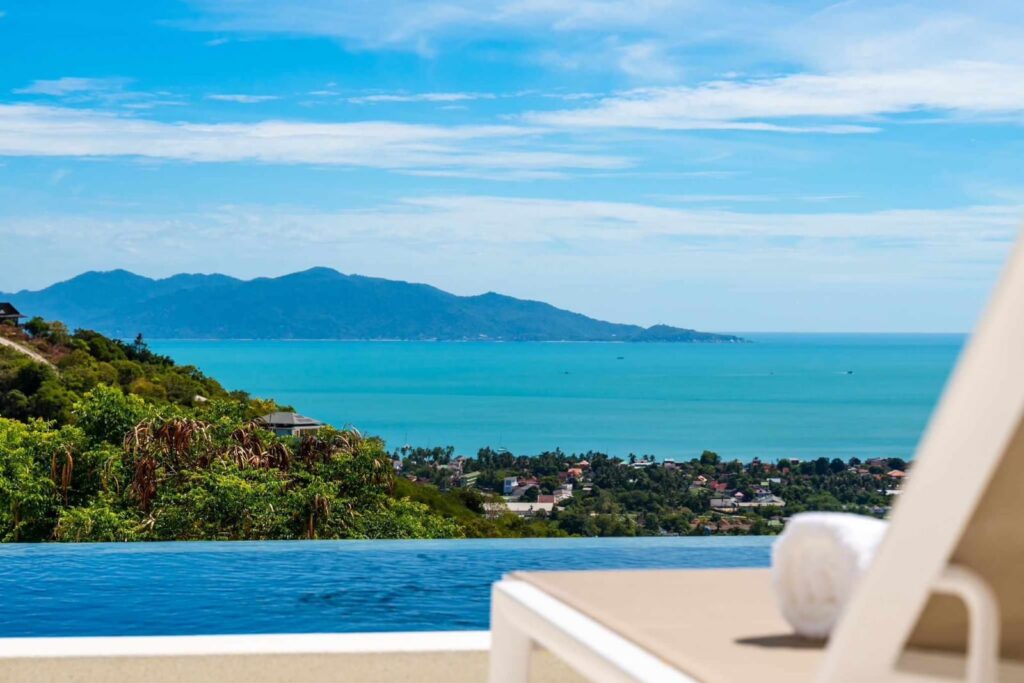
Current pricing in 2026 shows that well-finished 2- to 4-bedroom villas with private pools in good locations generally range from 8 to 25 million THB, depending on exact location, build quality, views, and specifications.
Professionally managed properties in popular areas can achieve gross rental yields of 6–8% during peak season when marketed effectively.
To properly protect your investment, always prioritise independent legal counsel rather than cutting corners.
For larger transactions, consider using escrow services to safeguard your payments. In leasehold agreements, pay close attention to the exact wording of renewal clauses and any conditions attached to them. I
t is also smart to factor in ongoing costs such as maintenance fees, sinking funds for condominiums, and annual company compliance expenses if you choose the company route.
Island Lifestyle
Owning property on Koh Samui offers far more than just a physical home. It creates a stable base for your island lifestyle, a potential source of income, and a meaningful long-term connection to this beautiful place.
Many owners describe the experience as deeply fulfilling — knowing they have secured their own slice of tropical living while building equity in one of Southeast Asia’s most desirable island destinations.
In the following post, we step away from paperwork and legal details to explore the island’s hidden gems and cultural experiences that make Koh Samui truly special.
Next post> Wellness and Everyday Activities on Koh Samui – Living Well in the Tropics
Get in touch: [email protected]
or call us: 0839 499 398